Early Days, Steady Rhythms: Helping Home Care Begin Well
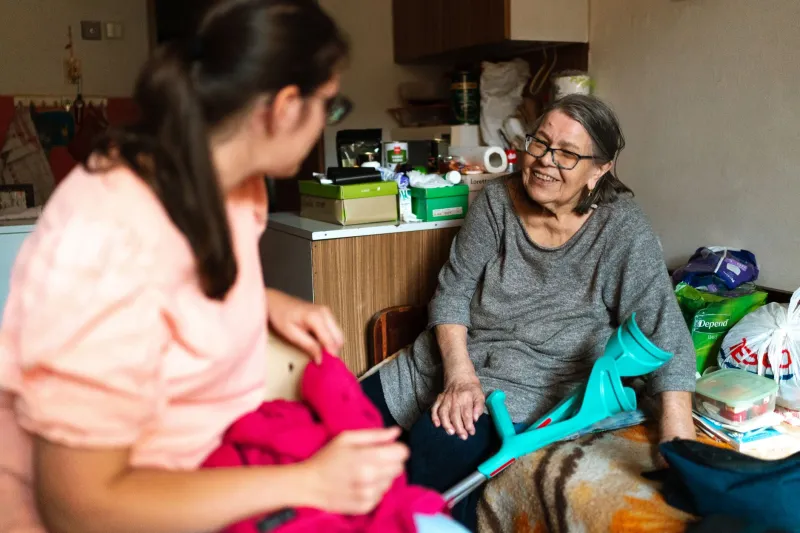
Beginning domiciliary care is rarely a single moment. It is a series of small adjustments: a new face at the door, a different rhythm in the morning, a care worker learning where the tea bags live and how someone likes to be addressed. The opening days matter, but they are not an exam. They are a settling-in period for the person receiving care, for the family and for the care worker alike.
At AlphaCare24, we often hear from families who feel they must get everything right immediately. In practice, the most useful approach is quieter than that. Prepare a little, explain a lot, observe without hovering and correct small problems early. This checklist is designed to help UK families do exactly that.
Before the first visit: prepare less than you think
A thick folder is rarely needed. A clear one-page profile, shared with the care agency and updated as things change, is often more useful than a long history. Include the essentials and the human details.
- The name the person prefers, how they like to be addressed and any hearing or vision needs.
- Mobility, transfer arrangements and where walking aids, glasses or hearing aids are kept.
- The daily rhythm: waking, meals, rests, bedtime and any faith or cultural practices that matter.
- Food and drink preferences, allergies and who usually makes the tea or coffee.
- Pets, door access, keys, parking, lighting and any security arrangements.
- Emergency contacts, GP surgery details and the care agency office number.
- What helps the person feel settled: a particular chair, the radio, a newspaper, quiet at certain times.
It also helps to write down one or two things you would like help with first. Perhaps it is the morning routine, or ensuring a proper lunch, or simply having someone there at bath time. Being specific gives the care worker something practical to aim for.
The first visit: introductions that set the tone
Keep the number of family members present small if you can. Introduce the care worker by name and role, and let the person receiving care lead the conversation where possible. Show rather than only tell: where the kettle is, how the shower works, which door is safest, where the keys are kept.
It is equally important to say what matters. You might explain that Mum dislikes being rushed, or that Dad prefers the radio on during breakfast. Leave space for the care worker to make notes and ask questions. A good first visit should feel like a handover, not a performance.
Routines and preferences: separate the musts from the prefers
One useful method is to sort information into three groups: must happen, would prefer, and ask first. A morning call must happen at the agreed time; the person would prefer porridge rather than toast; the care worker should ask before opening curtains or moving a favourite chair.
This distinction helps care workers exercise judgement without guessing. It also gives families a way to raise concerns without sounding critical. You are not asking for perfection. You are helping someone understand how this household works.
What to observe in the opening two days
Observation is not surveillance. It is simply noticing whether the practical arrangements are working. In the first two days, pay attention to punctuality, handover between visits, whether the care plan is being used, and whether the person seems at ease. Note how the care worker speaks to your relative, how privacy is protected and whether small preferences are remembered.
Keep a short diary if it helps. Write down what went well, what was confusing and what needs adjusting. This is far more useful than trying to remember everything at the end of a tiring week. If something feels wrong, describe the specific behaviour rather than labelling the whole service. For example: the visit started twenty minutes late on Tuesday, or the notes were not completed after the morning call.
The 48-hour check-in
At the end of the second day, ask three simple questions: what has worked, what has been unclear, and what should change before the next week begins? Share these with the care agency office, not only with the care worker. A short email or phone call is usually enough.
Some issues should be raised promptly rather than saved for a review. These include a missed visit, a privacy concern, a care worker who seems unsure of the plan, or a complete absence of records. In England, the Care Quality Commission regulates care agencies; in Scotland, Wales and Northern Ireland, different regulators apply. The agency itself should always be your first point of contact for day-to-day concerns.
Trust grows through small corrections
A settled home-care arrangement is not one where nothing ever goes wrong. It is one where small things are noticed and adjusted early. The first two days are simply the beginning of that conversation. With a clear profile, a calm introduction and a willingness to give specific feedback, families can help home care start on a steady footing.