What Is Eaten, What Is Noticed: Making Food and Drink a Shared Part of Home Care

For many families, the first sign that something has changed is not a diagnosis but a half-finished plate, a glass left untouched, or a comment that lunch 'just did not appeal'. In domiciliary care, mealtimes are rarely a single task. They involve shopping, preparation, positioning, encouragement, observation and record-keeping. A clear care plan and a calm daily handover can turn vague worries about eating and drinking into practical actions that everyone understands.
Why food and drink need a written plan
Nutrition and hydration sit at the meeting point between everyday routine and clinical risk. A carer may be the person who notices that a parent is leaving more food than usual, coughing at the table, or becoming tired halfway through a meal. They are not there to diagnose, but they are well placed to observe and report. The care plan should say what is expected, what is preferred, what has changed and who should be told.
This is especially important when more than one carer visits. Without a shared understanding, one person may offer a soft diet while another prepares harder foods, or fluids may be encouraged at one visit and overlooked at the next. The plan does not need to be lengthy, but it should be specific enough to follow and simple enough to update.
Before the first mealtime: what to agree
Use the first conversation with the care provider to build a picture of the person, not just the task. A useful checklist includes:
- Usual eating pattern, portion sizes, preferred mealtimes and whether the person likes company or quiet.
- Food and drink preferences, including cultural, religious and family traditions, favourite dishes and foods that are disliked.
- Any prescribed diet, allergies, intolerances or medical conditions affecting food, such as diabetes or kidney disease.
- Dentures, missing teeth, sore gums or mouth-care needs, and whether the person has a regular dental review.
- Any known swallowing difficulty and the exact recommendations from a speech and language therapist, including texture and fluid consistency.
- Equipment in use, such as adapted cutlery, plate guards, non-slip mats, specialist cups or a feeding aid.
- Who shops, who prepares food, who sits with the person and how long a meal usually takes.
- What to record after each meal and which changes should be reported the same day.
It is also worth agreeing how the carer will describe intake. 'Ate well' is reassuring but vague. 'Ate about half a shepherd's pie and a small glass of water' gives the family and health professionals something to work with.
Making the daily handover useful
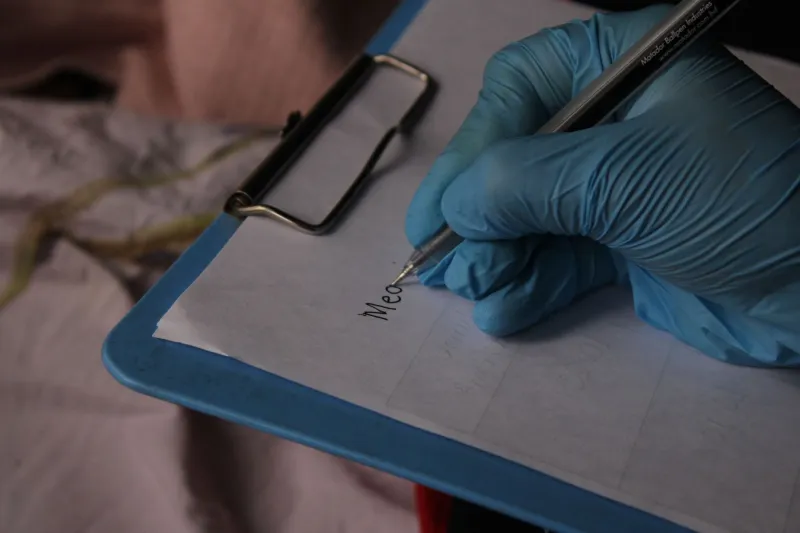
A good handover is not a long report. It is a short, consistent note of what was offered, what was taken and what was noticed. Carers should record approximate amounts, not just whether a meal was served. They might note that the person hesitated before swallowing, that their voice became wet or gurgly, that they pocketed food, or that they were too tired to finish. Family members can add context: a recent chest infection, a new medication, a funeral anniversary, or a change in the usual routine.
Keep the language plain and avoid turning every meal into a clinical assessment. The aim is to spot patterns. Three days of smaller breakfasts may be more meaningful than one poor meal. A sudden dislike of tea may be trivial, or it may signal mouth pain, nausea or confusion. The handover should make such observations visible without alarming the person at the table.
Signs that should prompt a call, not a wait
Some changes deserve a conversation with the GP or the care provider promptly. These include unintentional weight loss, clothes or rings becoming loose, dentures becoming loose, or a marked change in appetite. Signs of possible dehydration include drinking less than usual, dark urine, dry mouth, headache, dizziness, confusion or increased drowsiness. In older adults, confusion can be an important early sign.
Swallowing changes also need attention. Repeated coughing or choking at meals, a wet or gurgly voice after eating, food collecting in the cheek, lengthy mealtimes, repeated chest infections or avoidance of certain textures should be discussed with a GP. If someone is struggling to breathe, cannot swallow saliva, or has a severe choking episode, urgent help should be sought through 999. For less urgent concerns, NHS 111 or the GP surgery can advise.
Adapting meals around dentures, swallowing and preference
Dentures should fit comfortably and be cleaned as part of daily mouth care. If they rub or move, a dental appointment is better than a permanently soft diet. Food can be cut smaller, moistened with gravy or sauce, and made easier to manage without losing its identity. Strong flavours, familiar dishes and attractive presentation often matter more than volume.
Where swallowing difficulties are known, follow the speech and language therapist's recommendations exactly. Do not thicken fluids or change textures unless this has been advised, as incorrect consistency can increase risk. For people who tire easily, small frequent snacks may work better than three large meals. Drinks should be within reach, offered regularly and varied in temperature and flavour. Cultural and religious preferences should be recorded and respected, including fasting periods and festival foods, with advice sought if these affect medication or health.
When to involve the GP, dietitian or speech and language therapist
The GP is the first point of contact for unexplained weight loss, dehydration, pain, nausea, new confusion, medication side effects or a sudden change in appetite. A dietitian can help with fortified meals, weight maintenance, allergies and therapeutic diets. A speech and language therapist should be involved for coughing, choking, voice changes, suspected dysphagia or any new swallowing problem. The care provider's manager can help coordinate these conversations and ensure the plan is updated.
A simple rhythm for review
Review the food and fluid section of the care plan regularly, not only when something goes wrong. A brief weekly family check-in and a fuller review after illness, hospital discharge or a change in medication can prevent small problems from becoming serious. Update preferences, textures, equipment and contacts as they change, and make sure every carer sees the latest version.
Mealtimes are about nourishment, dignity and pleasure. When families and carers share what they have noticed, in plain language and without blame, food and drink become a supported part of home care rather than a source of quiet worry.