Beyond the Paper Folder: Understanding Digital Care Records in 2026

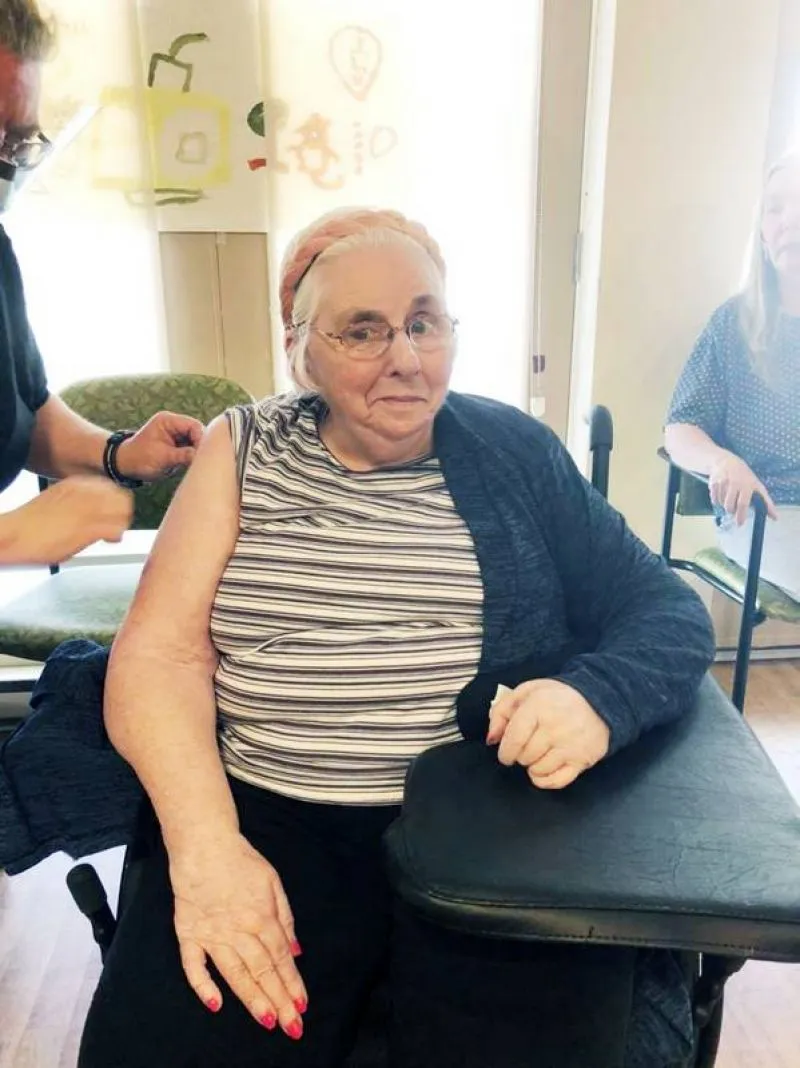
Photo: Daniel Capilla, CC BY-SA 4.0, via Wikimedia Commons
Digital care records are no longer a novelty in UK home care. In 2026, many domiciliary and live-in care agencies use apps, portals and secure systems to record visits, tasks, observations and changes in a person's condition. For families, this can be reassuring. It can also be confusing, especially when one agency offers a portal, another sends a weekly email and a third says little about its records at all.
The purpose of a care record is straightforward: it should support consistent, safe care and give everyone involved a shared picture. But digital records are not all the same, and access is not unlimited. This guide sets out what families can reasonably expect, what to ask before choosing an agency and what good communication should look like between visits.
What digital care records actually contain
A digital care record is usually more than a visit log. It may include the care plan, daily notes, tasks completed, food and fluid intake, mobility observations, incident reports and messages between care workers and the office. Some systems allow relatives to view selected information through an app; others produce printed summaries on request.
It is important to understand what the record is not. It is not a live video feed, a full NHS medical record or a substitute for conversation. It is a professional record of care delivered. That distinction matters when families ask for access. You are not asking to watch someone; you are asking to understand how care is being provided.
What families can reasonably ask to see
A reputable agency should be able to explain its records policy in plain English. You can reasonably ask:
- What information is recorded and who updates it?
- What can family members see, and through what method: an app, a portal, email, printed summaries or a conversation?
- How often are summaries shared, and who decides what is included?
- How are changes to the care plan recorded and communicated?
- How can a family member raise a correction or concern about something in the record?
- What happens if the person receiving care does not want certain information shared?
In England, the Care Quality Commission expects providers to keep accurate records. Similar expectations apply under the regulators in Scotland, Wales and Northern Ireland. Regulation does not guarantee a perfect system, but it does give families a legitimate basis for asking questions.
Consent, privacy and the rights of everyone involved
Access to care records sits within UK data protection law, including the UK GDPR and the Data Protection Act 2018. A care provider has a lawful basis for processing information needed to deliver care. Sharing that information with relatives is a separate question. It usually depends on the consent of the person receiving care, or on a legal authority such as a power of attorney or deputyship where that person lacks capacity.
Good agencies do not treat consent as a one-off signature. They explain what will be shared, with whom and why. They also protect the personal information of care workers. Families should not expect to see staff addresses, personal phone numbers or unrelated employment details. If you are unsure who can see what, ask for the agency's privacy notice and records policy. A vague answer at this stage is worth noting.
What good communication looks like between visits
A digital record should reduce uncertainty, not replace human contact. Good communication usually has several features. Summaries are timely and written in plain English. Changes are flagged rather than buried. There is a clear route for family feedback, and someone in the office takes responsibility for responding. Records are consistent: if a visit is late, missed or changed, that should be visible.
Families do not need every detail. They need to know that the important things are being noticed and acted upon. A weekly summary may be enough for some households. Others may need a short daily note during a period of change. The right arrangement should be agreed, reviewed and adjusted as circumstances change.
Questions to put to a care agency in 2026
When comparing providers, move beyond the sales demonstration. Ask practical questions about how the system works in daily life.
- Which digital system do you use, and who is responsible for updating it?
- What exactly can relatives see, and how do we access it?
- How do you confirm consent or legal authority for sharing information?
- How quickly are care plan changes recorded and shared with the family?
- What happens when a visit is late, missed or changed at short notice?
- How do you handle a correction or disagreement about a record?
- Who can see sensitive information, and how is access removed when circumstances change?
- How do you protect data, and what is your process if there is a data breach?
- Can we receive a weekly printed or emailed summary if we prefer not to use an app?
- Who is our named contact for records and communication queries?
Red flags to watch for
Be cautious if an agency promises unlimited live access without explaining consent, privacy or professional boundaries. A lack of any written records policy is also a warning sign. So is reliance on personal mobile phones or unsecured messaging for care information. Other concerns include no clear process for correcting errors, inconsistent records, unexplained gaps and slow responses when a family raises a question.
Equally, be wary of an agency that dismisses family interest in records as interference. Most families are not seeking control. They are seeking reassurance and a shared understanding of care.
A balanced expectation for 2026
Digital care records can be a genuine support for families, especially when relatives live at a distance. They are most useful when they sit alongside clear conversation, named contacts and a willingness to explain limits. Before choosing an agency, ask how records work in practice. After care begins, review the arrangement after the first month. If the system is not giving you the reassurance you need, say so specifically and ask what can change.