One Household, Two Sets of Needs: Shaping Home Care for Couples Who Stay Together
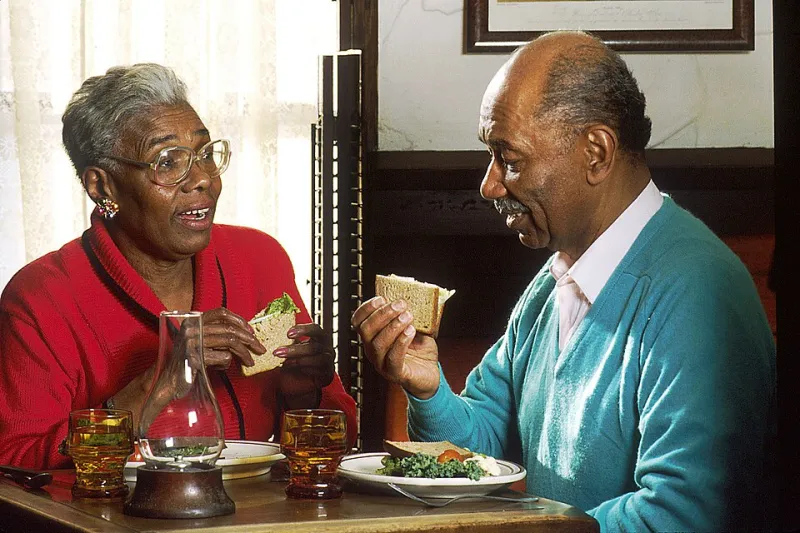
Photo: Bill Branson, CC0, via Wikimedia Commons
For many couples, home is more than a address. It holds shared routines, familiar chairs, photographs on the mantelpiece and the quiet companionship of decades. When one partner begins to need regular help with washing, dressing, medication or meals, the question is rarely just about tasks. It is about how to preserve that shared life while making sure the right support is in place. Domiciliary care can be arranged around a couple, not simply around one diagnosis or one set of needs.
Begin with the household rhythm
A useful care plan starts with the couple’s ordinary week. What time does the household wake? Who makes the tea? When are the quiet periods, the visits from family, the favourite television programmes, the afternoon rest? These details are not decoration. They are the structure that makes care feel less intrusive.
Ask the agency to record two profiles within one plan: the partner who needs support, and the partner who does not. The second profile should note preferences, boundaries and any health concerns of their own. It may feel unnecessary if the well partner is managing well, but it gives the care worker a clearer picture of the whole household. It also helps everyone notice when the balance is shifting.
What a shared care plan should include
A shared plan does not mean merged needs. It means coordinated support. It should set out the tasks agreed for the person receiving care, the outcomes they want to achieve, and the way the other partner prefers those tasks to be carried out. Consent and information-sharing should be discussed openly. If one partner does not wish their medical details to be shared, that choice should be respected while still allowing safe care.
The plan should also identify who does what. It is easy for a well partner to become the default coordinator of appointments, prescriptions and paperwork. A good plan names the boundaries. For example, the care worker may prompt medication and prepare a light lunch, but the couple may prefer to manage their own social diary. Reviews should ask whether those boundaries are still working.
Questions to ask about couple-focused visits
Not every agency uses the phrase couple-focused visits, so describe what you need. Ask how the agency would support one person while remaining sensitive to the other. Useful questions include:
- Will the same small team of care workers visit where possible, so the couple do not have to repeat their story?
- Is the visit long enough for personal care, a drink and a proper conversation, rather than a rushed sequence of tasks?
- How does the agency record changes in the well partner’s wellbeing, even when they are not the named client?
- Can the care worker prepare something for both people, within the agreed care tasks?
- How are records kept separate where necessary but linked where safety requires it?
- What happens when a regular carer is on leave, and how is cover introduced?
- Does the agency have experience of the specific conditions involved, such as dementia, Parkinson’s or reduced mobility?
These questions help reveal whether the agency thinks in terms of a household or only a task list.
Protecting the well partner’s wellbeing
The partner who provides most of the day-to-day support is often the least visible person in the room. They may be managing medication, meals, appointments and reassurance while also grieving the changes in their relationship. Their wellbeing matters in its own right.
In England, a carer’s assessment from the local authority is available to someone who provides unpaid care, even if the person they care for has not been assessed for council funding. The assessment can explore whether support, training or a break would help. It is not a test of how much the carer loves their partner. It is a practical conversation about sustainability.
Respite and sitting services can be arranged as part of a care package or purchased privately. A regular short break, a longer planned rest, or simply a reliable hour each week can protect the couple’s relationship. It can also give the well partner time to attend their own appointments, see friends or sleep without listening for every sound.
How finances and assessments fit around the couple
When the local authority arranges care, it usually carries out a needs assessment for the person requiring support and then a financial assessment. The rules are detailed, and couples should ask for the council’s written explanation. Savings and capital can affect how much someone contributes, but the family home is not normally counted as capital while a partner continues to live there. This is a complex area, so seek advice if the position is unclear.
Attendance Allowance may be available to a person over State Pension age who has care needs, and Carer’s Allowance may be available to an eligible carer. These benefits are not means-tested in the same way as council support, but eligibility rules apply. NHS continuing healthcare may be relevant where health needs are primary. A local carers centre or independent advice service can help families work through the options.
Making respite part of ordinary life
Respite works best when it is planned rather than treated as an emergency. A trial visit from a care worker, followed by a regular slot, can help the couple grow used to a new face. If the well partner is reluctant to leave the house, the care worker can begin by supporting a shared activity at home. Over time, the couple may feel able to build in an evening out, a family visit or a short break.
The aim is not to separate the couple. It is to give them both more room to remain themselves within the relationship.
A calm checklist before you commit
- Does the plan describe both partners, not just the person receiving personal care?
- Are consent and information-sharing clearly agreed?
- Is the visit length realistic for the couple’s routines?
- Will a small, consistent team provide cover?
- Has the well partner been offered a carer’s assessment?
- Are respite and emergency arrangements written down?
- Do reviews ask how the relationship is coping, not only whether tasks are complete?
Staying together at home is a reasonable goal, and it can be supported with careful planning. The strongest arrangements treat the couple as a household with two sets of needs, two sets of preferences and one shared life that deserves respect.