A Place for Prayer and Practice: Making Room for Faith in Domiciliary Care
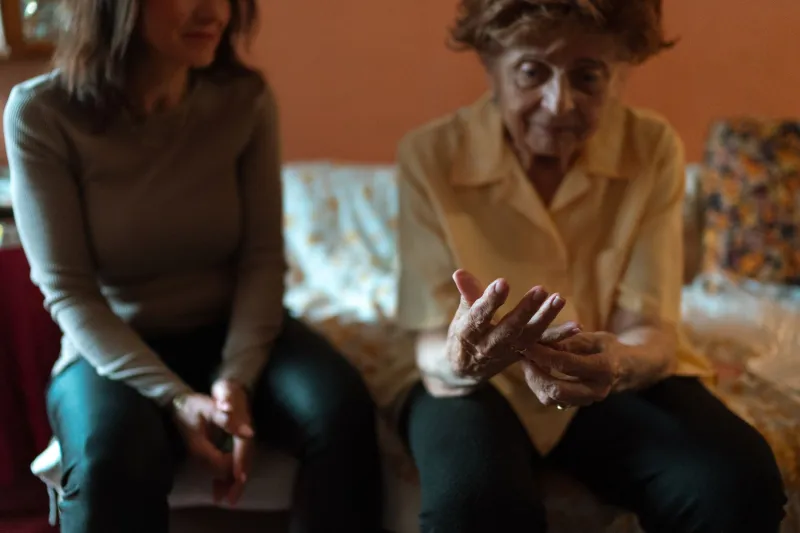
For many older people, faith is not confined to a particular day or building. It is woven through the ordinary hours: when they rise, what they eat, how they wash, how they mark the passing of the week and how they meet a festival. Domiciliary care works best when it recognises this texture rather than treating belief as an awkward extra. The aim is not to turn a carer into a religious expert, but to make sure daily support sits alongside practice with respect, consistency and good communication.
Start with the ordinary observances
Conversations about faith can feel weighty. They become easier when they begin with concrete details. Does your relative pray at particular times, and do they prefer to do so alone or with quiet encouragement? Is there a wash or preparation before prayer? Are certain foods, utensils or cooking methods avoided? Does a Friday, Saturday or Sunday pattern matter, and how is it observed at home? Are there periods of fasting, and what does support look like during them?
These questions are not intrusive if asked plainly and with a clear purpose. They also give the care provider something usable. A vague note that a person is religious tells a carer very little. A note that she prefers the sitting-room corner kept clear between certain hours, or that he will decline a particular food on specific days, is practical and dignified.
Record what matters in the care plan
The care plan is the natural home for this information. It should be written in neutral, specific language and reviewed when circumstances change. Useful entries might cover the timing of prayer or reflection, any assistance needed with washing or positioning, dietary requirements and festival observances. It is equally important to record what is not wanted. Some people value a carer who reminds them of a prayer time; others would find this patronising. Some want family members present for festival preparations; others prefer to keep those moments separate.
A concise entry is often better than a lengthy statement of principle. The test is whether a new carer, arriving on a cold morning with limited time, could read the note and know what to do. In 2026, many providers use digital care records, but the same discipline applies: record the practical detail, update it, and make sure it is visible to the people who need it.
Matching carers with care and honesty
Families sometimes ask for a carer of the same faith. That can be helpful, particularly where language, dress or festival customs are closely bound up with personal dignity. It is not, however, the only route to good care. A carer from a different background may be entirely respectful and willing to learn. What matters is that the provider is honest about what it can offer and does not make promises it cannot keep.
When discussing matching, ask how the agency briefs its staff, how it handles a carer who is unfamiliar with a practice, and what happens if a regular carer is away. Religious literacy is not about knowing every tradition in detail. It is about asking, listening, avoiding assumptions and knowing when to seek guidance from the family. A care worker who says plainly that she does not know a custom, and asks how best to support it, is often more reliable than one who claims expertise she does not have.
Food, fasting and festival days
Dietary practice deserves particular care because it touches daily personal support. If certain foods are avoided, the care plan should say so clearly and distinguish between preference and requirement. If fasting is observed, the family and provider should discuss medication, hydration, energy levels and the practical limits of what a carer can safely support. No one should be encouraged to break a religious discipline casually, but neither should a care arrangement ignore health needs.
Festivals and holy days can be a source of joy and also of pressure. Extra visitors, special meals, decorations and altered routines may require more support, or simply more flexibility. It helps to plan ahead: what preparation is wanted, who will provide it, whether the carer should be present, and how the day can be kept calm if energy is limited. A short conversation a fortnight in advance often prevents a difficult morning.
Create a spiritually supportive home environment
Small environmental details can make a significant difference. A clear space for prayer or reflection, a favoured text or object kept within reach, a calendar of observances, and a quiet corner that is not used for storage all signal that a person's practice is taken seriously. Carers should know which items may be moved and which should be left undisturbed, and family members should be realistic about how much a short visit can accommodate.
It is also worth agreeing how faith appears in ordinary conversation. Some people welcome a carer who shares a similar outlook; others prefer a professional warmth that does not stray into religious discussion. Neither preference is unreasonable. The care plan can note the difference without making it a source of tension.
When routines change or something goes wrong
No arrangement is perfect. A carer may forget a dietary instruction, arrive during a prayer time, or misunderstand a festival custom. The useful response is calm repair: acknowledge the difficulty, explain why it mattered, and adjust the plan. Families should feel able to raise such matters without being thought fussy, and providers should treat them as ordinary care-quality issues rather than personal criticism.
Continuity also needs contingency. If a regular carer is on leave, the replacement should receive a clear briefing, not a hurried handover at the door. If a hospital stay interrupts practice, the return home is a good moment to review what has changed. Faith routines can be adapted when health fluctuates, but the person should be involved in that adaptation wherever possible.
A short checklist for families
- Ask what daily and weekly practices actually involve, rather than assuming from a label.
- Record specific times, foods, objects and assistance needs in the care plan.
- Distinguish clearly between religious requirements and personal preferences.
- Discuss carer matching honestly, including what the provider can and cannot guarantee.
- Plan for festivals, fasting and periods of illness in advance.
- Agree how faith should, or should not, feature in ordinary conversation.
- Review the plan when health, carers or routines change.
Good domiciliary care does not need to resolve questions of belief. It needs to make room for them. When families and providers speak plainly about practice, record it carefully and treat mistakes as matters to be corrected rather than judged, faith can remain part of home life without becoming a source of friction.