A Steady Hand from Afar: Running Home Support When You Live Elsewhere

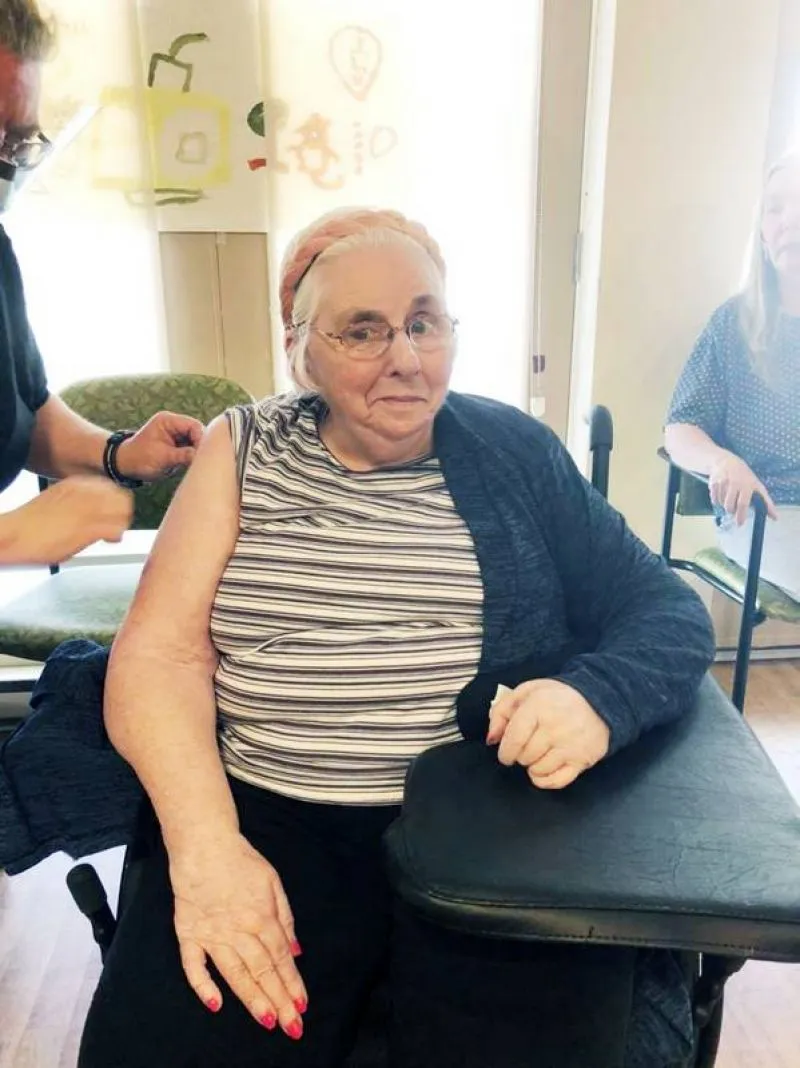
Photo: DVIDSHUB, CC BY 2.0, via Wikimedia Commons
Caring from a distance has its own rhythm. You may be three hours away, or three countries away, and still hold the thread of a parent's daily life. The temptation is to compensate with constant calls and endless checking. The better aim is a steady hand: a local network that knows what to do, an agency that communicates clearly, and a family member who can notice change without trying to control every hour.
Distance is not absence
Living elsewhere does not make you less involved. It simply changes the shape of involvement. You may be the person who keeps the care plan updated, speaks to the GP, or coordinates siblings. That is real work. It is also work that needs boundaries, because a remote carer who never switches off can become exhausted before the care itself becomes difficult.
Start by naming what you can realistically do. Perhaps you can manage finances, attend reviews by video, and visit monthly. Perhaps a sibling can handle hospital appointments while a neighbour checks in on Sundays. Write it down. A shared understanding prevents the quiet resentment that builds when everyone assumes someone else is watching.
Build a local circle, not a spy network
A reliable local network is made of ordinary relationships and formal services. Neighbours who already keep an eye on the house can be asked to text if they notice something unusual. A local friend might pop in for tea once a week. The community pharmacy may deliver prescriptions. A church or community group may offer a befriending service. The GP surgery should have your relative's consent to speak with you, if they are willing to give it.
Ask before you organise. Your relative may welcome help with the garden but resent a rota of visitors. Consent matters, especially where health information is shared. The aim is a circle of support that feels natural to them, not a surveillance operation arranged around them.
Make the agency your local eyes and ears, with limits
When choosing a domiciliary care provider, look for a local office you can reach, a named contact, and a clear escalation route. Ask how they record visits, how they report concerns, and what happens at weekends. A provider registered with the Care Quality Commission should be able to explain its care planning and safeguarding processes without hesitation.
Be clear about what you want to know. A weekly summary of visits is usually more useful than a message after every call. Ask the agency to tell you promptly about falls, missed medication, hospital visits, or a noticeable change in mood or appetite. Ask them not to share every small detail, because a stream of minor updates can make distance feel more frightening rather than less.
Use digital records without turning care into surveillance
Digital care records can be genuinely helpful. They show whether visits happened, what was done, and what was noted. They allow a family member to check the pattern rather than panic about a single missed call. But a record is not a live feed, and a care worker is not a camera operator.
Agree a sensible rhythm. Perhaps you read the record twice a week and speak to your relative on Sundays. Perhaps the agency sends a short monthly summary. Use video calls for conversation, not inspection. Ask open questions: 'What have you been doing this week?' rather than 'Why didn't you answer at ten?' If you notice a pattern, such as missed meals or repeated unsteadiness, raise it with the named contact rather than sending a flurry of messages.
Notice the quiet changes
Remote warning signs are often subtle. A voice that sounds more breathless. A fridge that seems emptier than usual. A bill left unopened. A usual walk not mentioned. Confusion about the day. Bruises that are explained vaguely. None of these proves an emergency, but they are worth noting.
Keep a simple log of anything that concerns you, with dates. Share it with the agency and, if needed, the GP. Know the difference between a concern that can wait for a weekday call and a red flag that needs NHS 111 or 999. The care plan should state the escalation route clearly, including out-of-hours contacts.
Keep communication steady, not constant
A single family point of contact helps the agency and your relative. Too many calls from too many relatives can overwhelm a small care team. Decide who speaks to the agency about care changes, and who speaks to the GP about health changes. Share updates with the wider family in one weekly message rather than a chain of anxious texts.
Speak to your relative as a person, not a case. Ask about the things they enjoy, not only their medication. A conversation about a favourite programme or a neighbour's news can tell you more about how they are than a checklist of questions.
Plan for the unexpected
Distance makes contingency planning essential. Keep a folder with the care plan, medication list, key contacts, and any lasting power of attorney details. Know who has spare keys. Have a plan for bad weather, bank holidays, and agency staff shortages. If you can, visit once at short notice to test how the arrangements work when you are not expected.
Look after the coordinator, too
Remote caring can be lonely. You may feel guilty on the days you cannot visit and anxious on the days you cannot reach anyone. Talk to someone. Set limits on checking. Remember that a steady hand is not a controlling hand. The goal is a safe, well-briefed local network and a relationship with your relative that still has room for ordinary conversation.
Distance changes the logistics of care. It does not remove your place in it. With clear roles, sensible use of digital records, and a local team that knows when to raise a concern, you can be involved without being on edge every hour of the day.